| Автор |
Тема: Re: Ширина Дорожки
Время: 14.02.2025 18:46 |
|
|---|---|---|
 

|
>шлюпка, это как угодно лично да можно и так. только звук когда он в проводах он становится электричеством. и там все строго и одновременно проще . |
|
|
Exemplaris Excomvnicationis
|
||
| Автор |
Тема: Re: Ширина Дорожки
Время: 14.02.2025 21:26 |
|
|---|---|---|
|
|
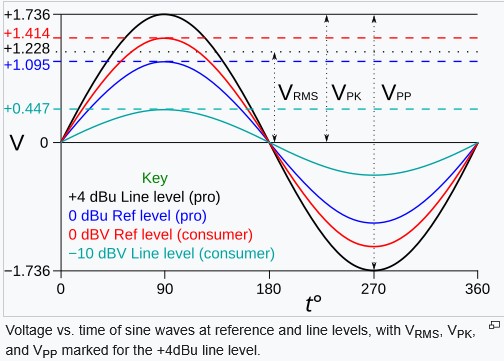
еще наброшу, американцев тож волнует тема. The +4 is not a number that you need to 'target', it represents the 'nominal' level at which a professional device operates at. 0DBU or .775vrms would be a 'target' but even then that's only relevant to how you're calibrating your rig. Then all of that goes out the window if you're working digitally, which is DBFS. If you have a VU meter, or plugin VU: The reading of the volume indicator shall be 0 VU when it is connected to an AC voltage equal to 1.228 Volts RMS across a 600 ohm resistance (equal to +4 [dBu]) at 1000 cycles per second If you're monitoring in DBFS, this would be around -18DBFS if that's what you choose to use as your analog 0 reference. This would mean that peaks could get as high as -10 to -6DBFS. I hope that helps a little. Just make sure your switches are set to +4 and you shouldn't ever have to think about it really. But it's important to understand. I hope that was clear, it's been a long day. https://gearspace.com/board/post-production-forum/ 1340542-does-4dbu-still-matter.html |
|
|
Exemplaris Excomvnicationis
|
||
| Автор |
Тема: Re: Ширина Дорожки
Время: 15.02.2025 18:00 |
||||
|---|---|---|---|---|---|
|
|
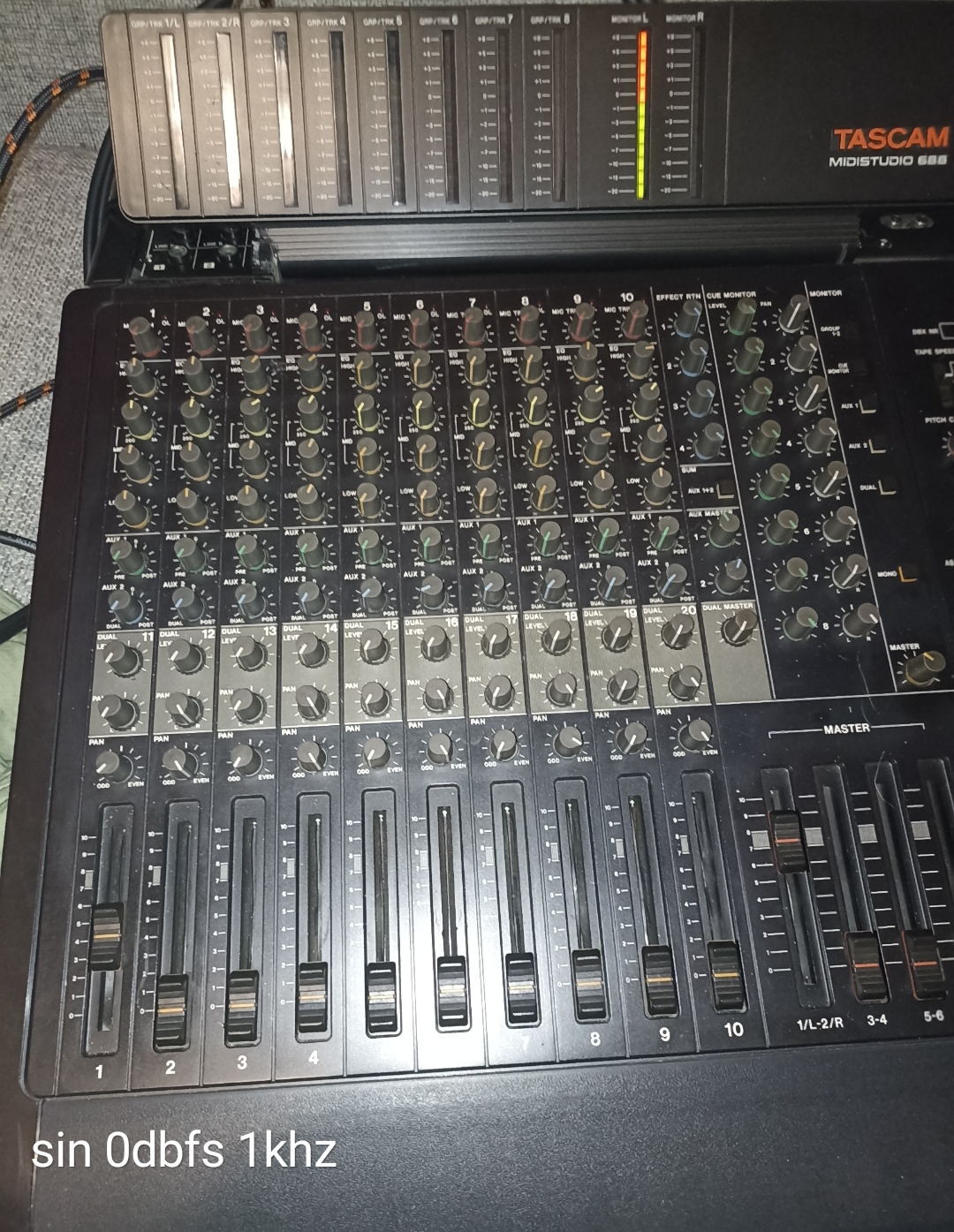
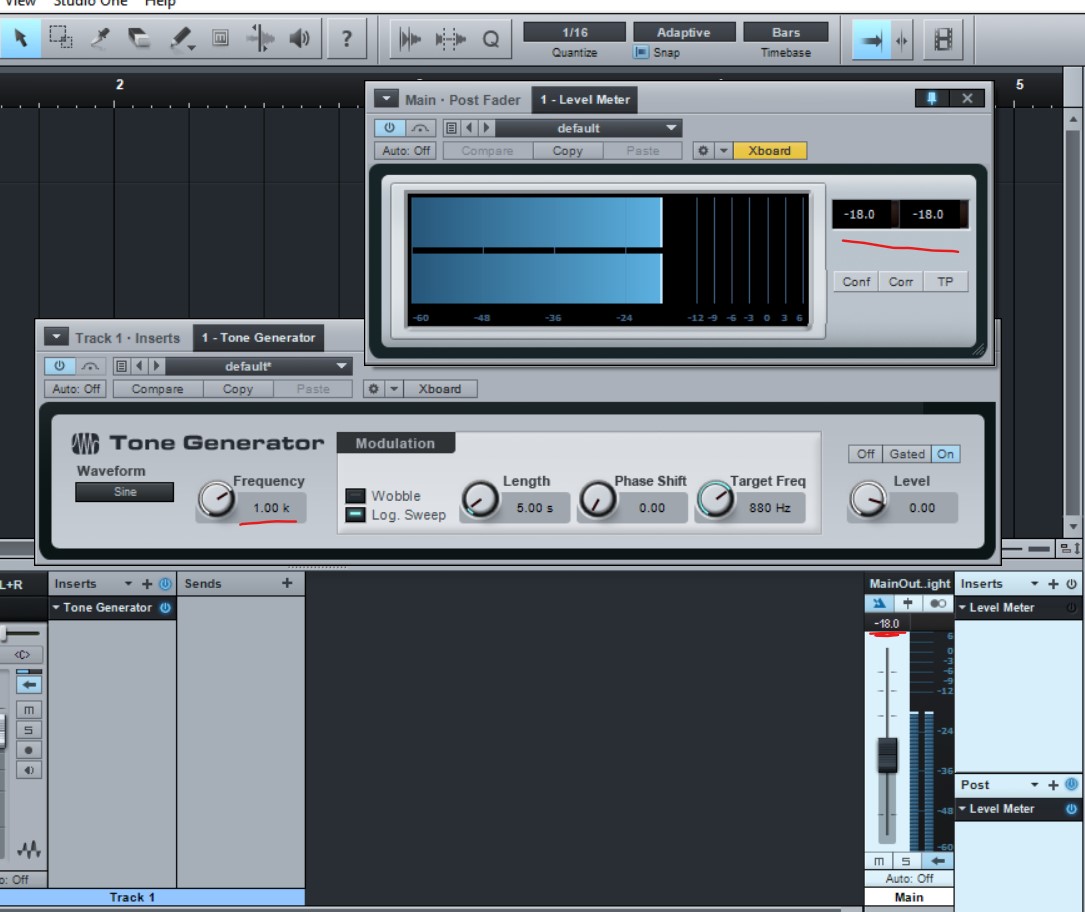
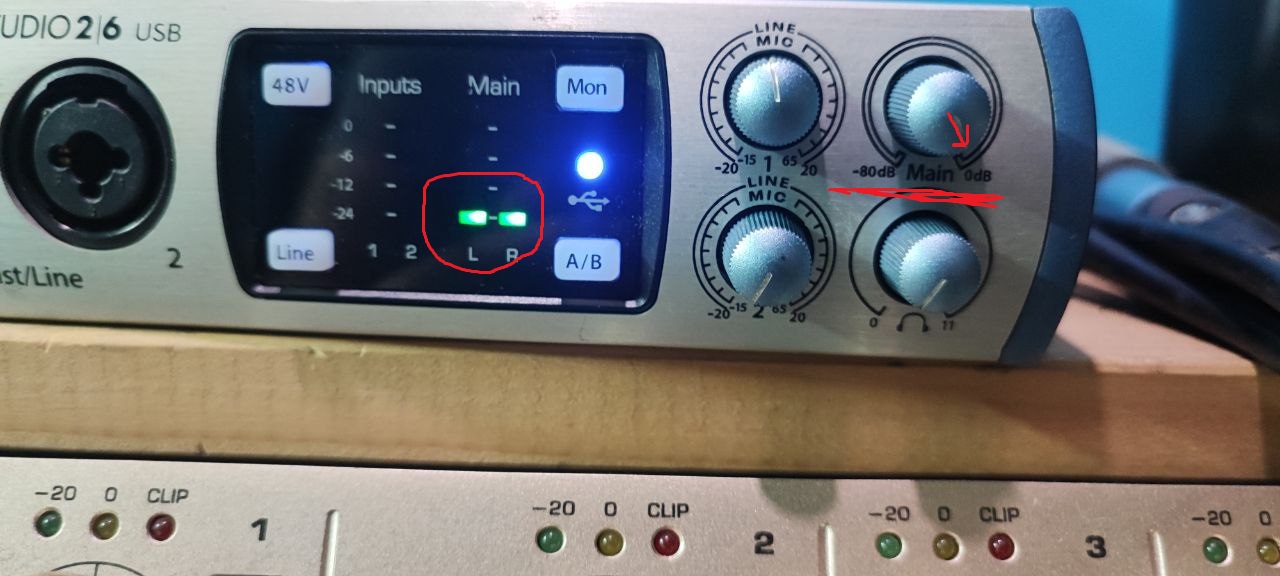
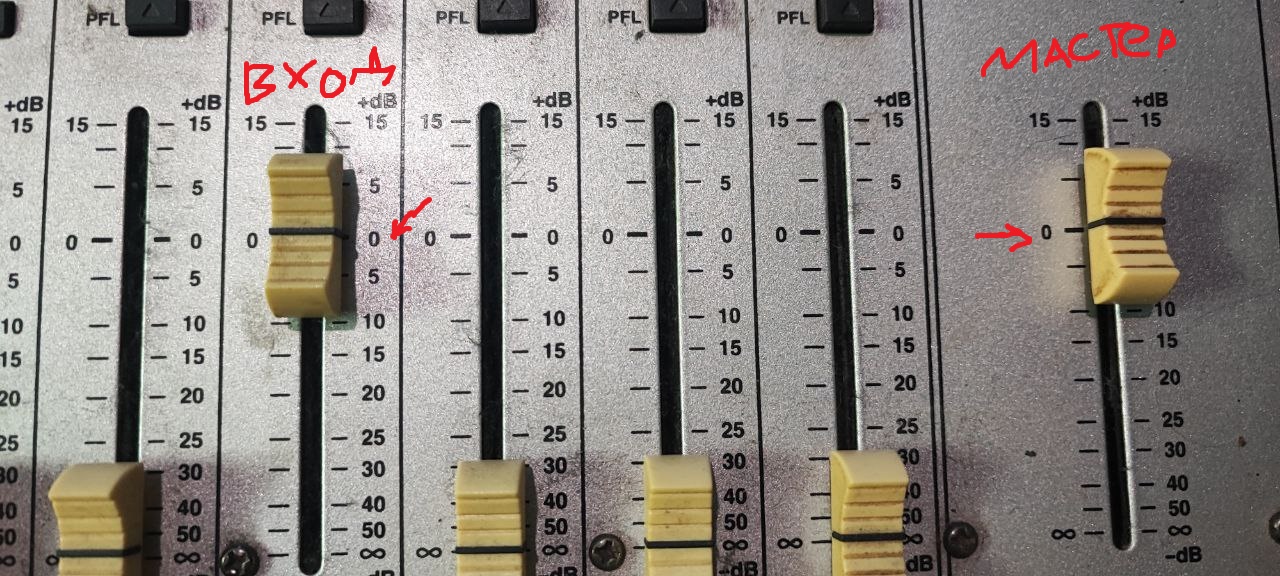
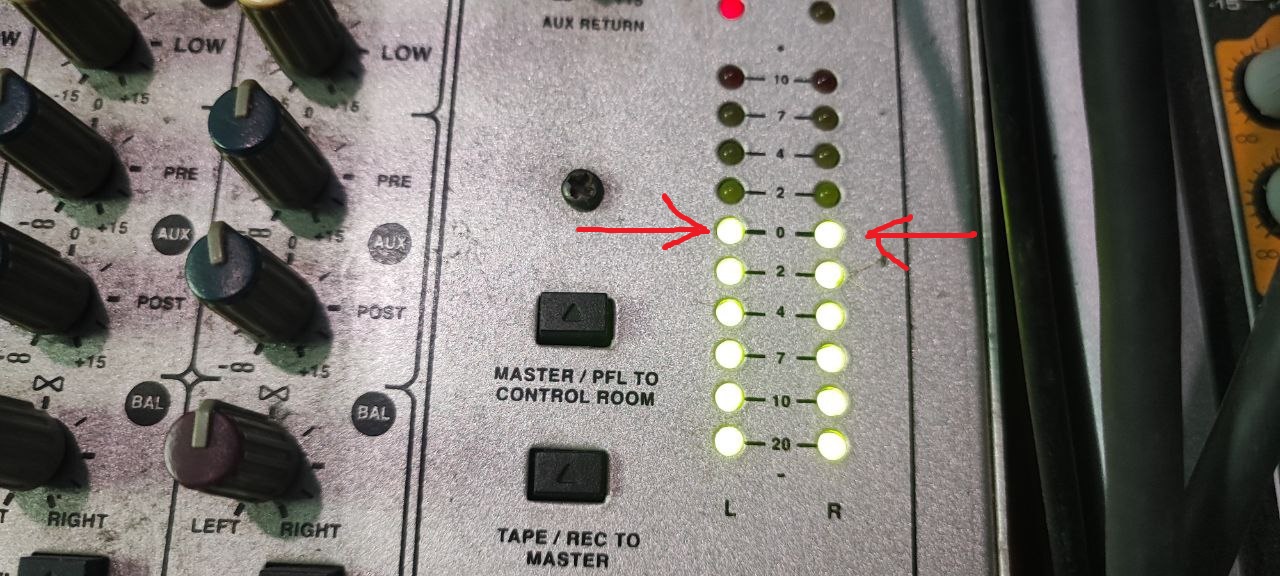
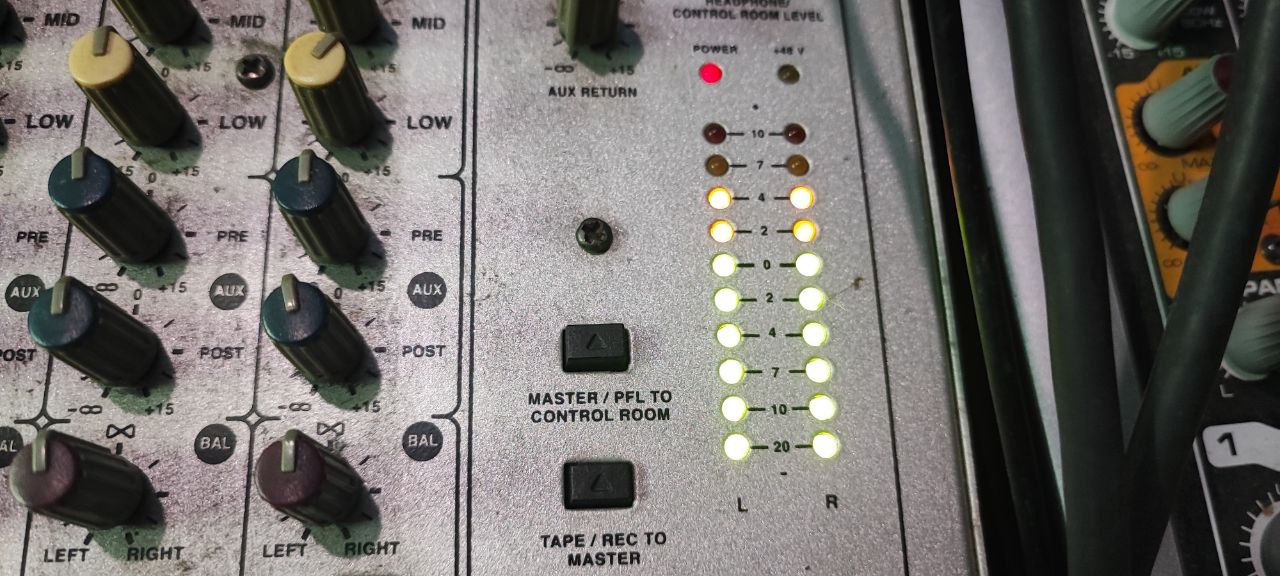
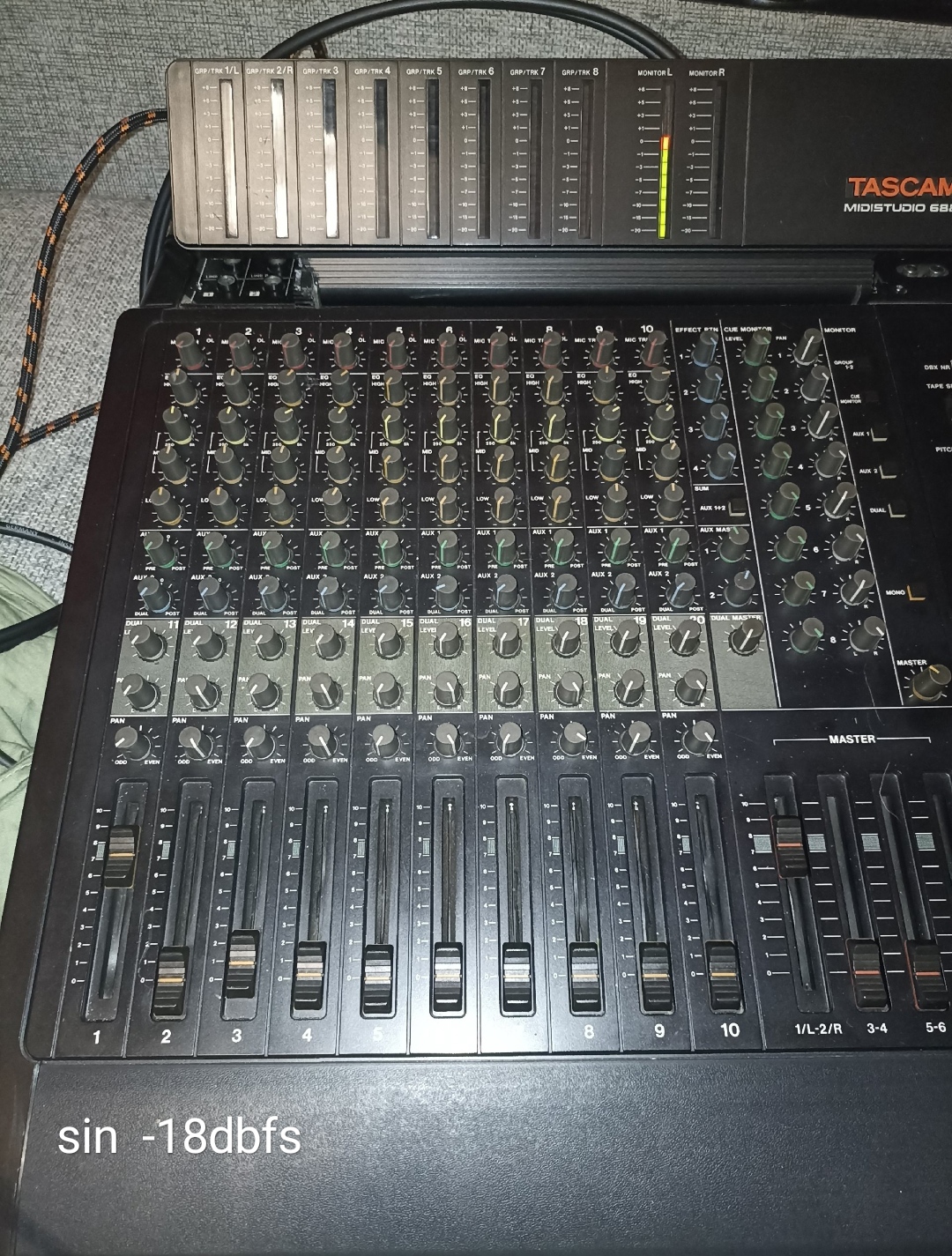
для самых маленьких детей заснял Ликбез в картинках. В ДАВ звупщен генератор синуса 1К громкостью 0dbFS На мастере ДАВ выставлен уровень -18dbFS На аудио Интерфейсе выходной уровень 0db Далее приходит на микшер в линейный вход. Фейдер канала выставлен в 0 , мастер фейдер также в 0 Смотрим индикацию - 0 Номинал. Pro Reference Level |
||||
|
Exemplaris Excomvnicationis
|
|||||
| Автор |
Тема: Re: Ширина Дорожки
Время: 15.02.2025 18:06 |
|||
|---|---|---|---|---|
|
|
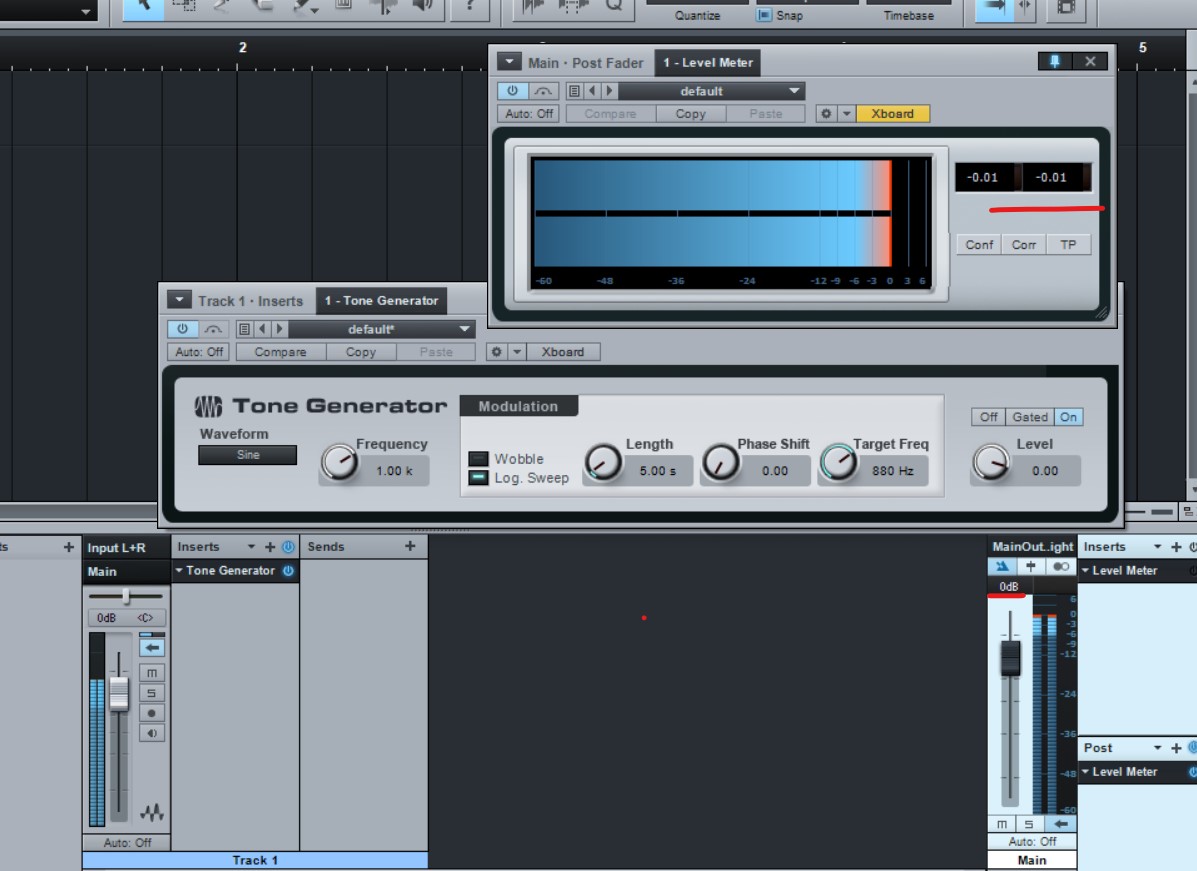
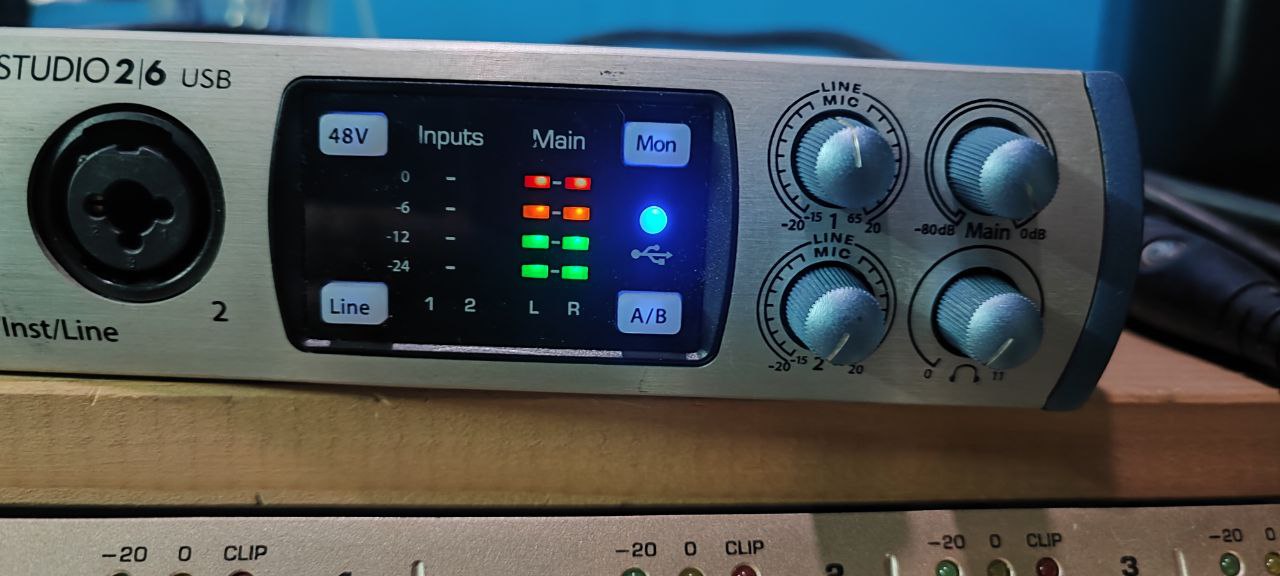
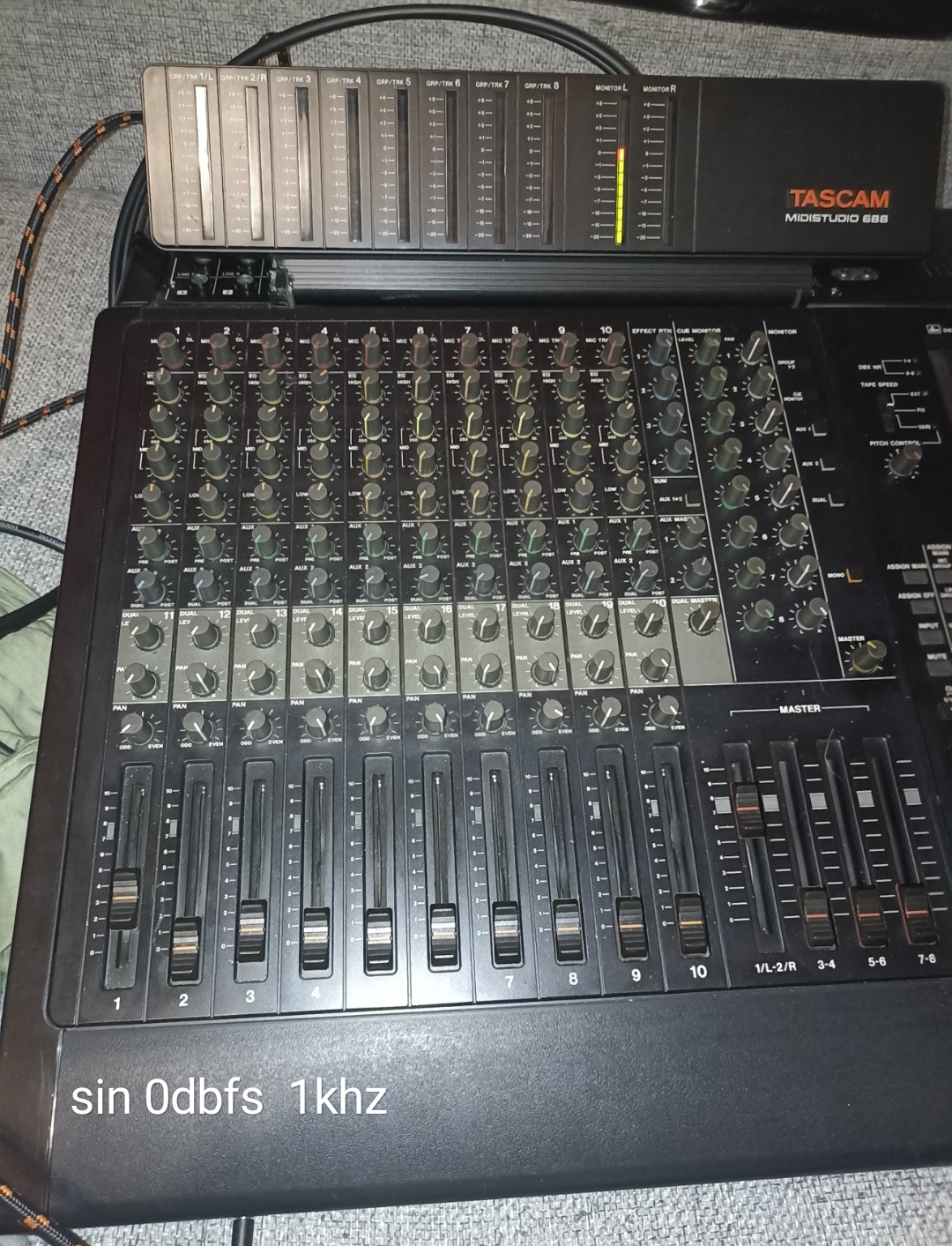
А что будет если выставить 0dbFS на мастере DAW? Микшер показывает +4. Это те самые +4dBu Line Level |
|||
|
Exemplaris Excomvnicationis
|
||||
| Автор |
Тема: Re: Ширина Дорожки
Время: 15.02.2025 18:23 |
||
|---|---|---|---|
|
|
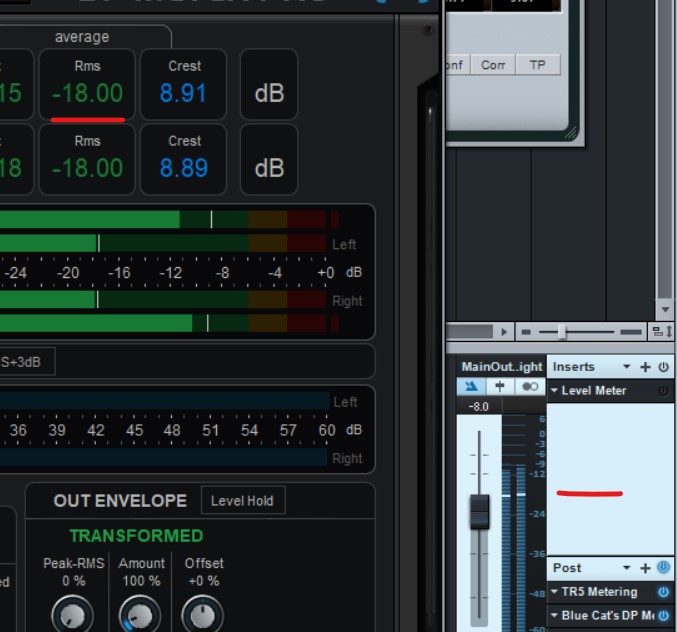
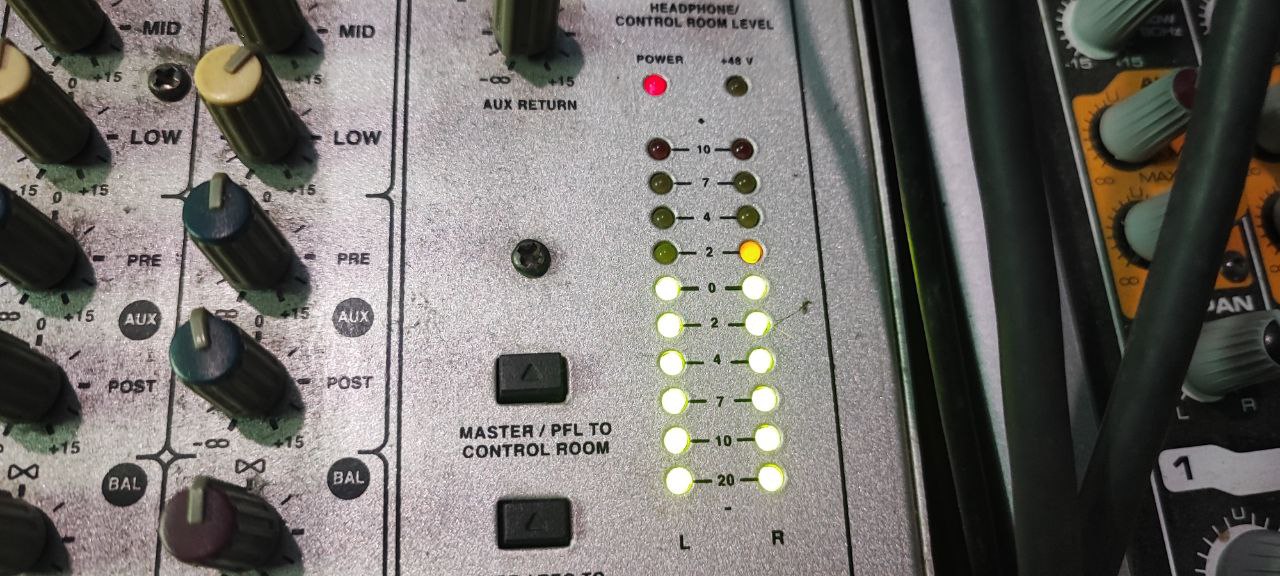
Ну и дальше можно еще заметить что -18db RMS так же соответствуют номинальному уровню Выставил Розовый шум на -18db RMS |
||
|
Exemplaris Excomvnicationis
|
|||
| Автор |
Тема: Re: Ширина Дорожки
Время: 15.02.2025 18:44 |
|
|---|---|---|

|
Доходчивей уже не куда  Жаль нет на пульте входного градусника как у взрослых
|
|
|
|
||
| Автор |
Тема: Re: Ширина Дорожки
Время: 15.02.2025 19:22 |
|
|---|---|---|
|
Seventy five dollar per mix, спасибо за наглядную лабораторную работу Один вопрос, почему на этом графике шкала с +4dBu Line Level расположена так низко и не соответствует 0dbFS на мастере DAW? http://static.musicforums.ru/agora/forums/mfor/studiosound/notes/thumb/1401894.screenshot_20250214_175317.jpg 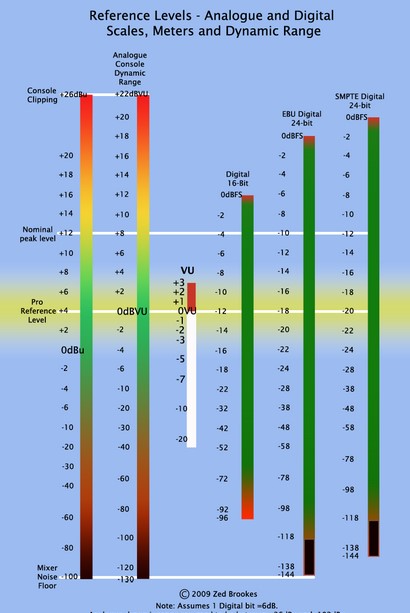
|
|
|
|
||
| Автор |
Тема: Re: Ширина Дорожки
Время: 15.02.2025 19:28 |
|
|---|---|---|
|
|
Или +4dBu Line Level и +4dBu pro reference level на графике не одно и тоже? или 2 первых столбца аналоговых консолей нас вводят в заблуждение, и должны быть расположены совсем не так как нам их рисует автор графика?
|
|
|
|
||
| Автор |
Тема: Re: Ширина Дорожки
Время: 15.02.2025 19:48 |
|
|---|---|---|
|
|
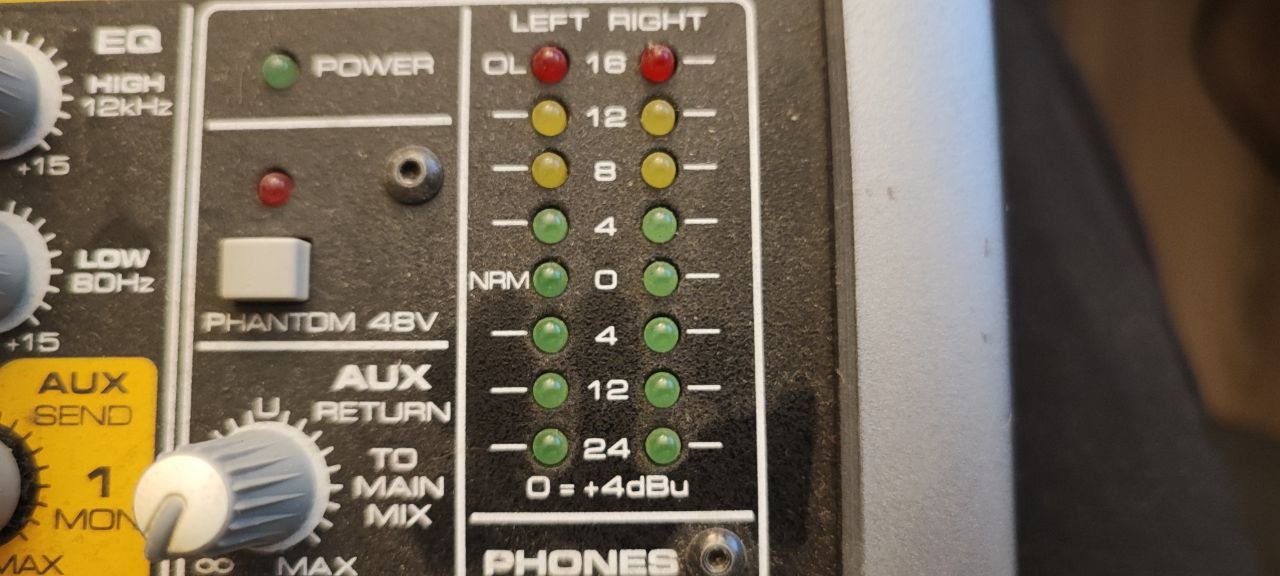
>и должны быть расположены совсем не так как нам их рисует автор графика? в dBu +4 приравнивают 0 к dbVU. ну то есть если у тебя такой показометр то у тебя будет норма 0 а на самом деле это +4 вот например на фото такой случай даж подписано что 0=+4 |
|
|
Exemplaris Excomvnicationis
|
||
| Автор |
Тема: Re: Ширина Дорожки
Время: 15.02.2025 19:49 |
|
|---|---|---|
|
|
>Жаль нет на пульте входного градусника как у взрослых это да, но на этих дешевых пультах бывает кнопка PFL на каждом канале, которая показывает Pre Fader Lеvel на основном индикаторе. Можно соориентироваться |
|
|
Exemplaris Excomvnicationis
|
||
| Автор |
Тема: Re: Ширина Дорожки
Время: 15.02.2025 19:52 |
|
|---|---|---|
 
|
>mixwall Что нащот марантцов? годные дэки? |
|
|
|
||
| Автор |
Тема: Re: Ширина Дорожки
Время: 15.02.2025 19:59 |
|
|---|---|---|
|
|
>>и должны быть расположены совсем не так как нам их рисует автор графика? >в dBu +4 приравнивают 0 к dbVU. ну то есть если у тебя такой показометр то у тебя будет норма 0 а на самом деле это +4 >вот например на фото такой случай даж подписано что 0=+4 >>и должны быть расположены совсем не так как нам их рисует автор графика? >в dBu +4 приравнивают 0 к dbVU. ну то есть если у тебя такой показометр то у тебя будет норма 0 а на самом деле это +4 >вот например на фото такой случай даж подписано что 0=+4 Наглядно  Но вопрос был чутка другой  >Один вопрос, почему на этом графике шкала с +4dBu Line Level >расположена так низко и не соответствует 0dbFS на мастере DAW? |
|
|
|
||
| Автор |
Тема: Re: Ширина Дорожки
Время: 15.02.2025 20:05 |
|
|---|---|---|
|
|
>Kosmo Зависит от АЦП. Вот взять например Digilab ADC-202 Digicon: Входной уровень при 0 dBFs + 16 dBU unbalanced, + 10 dBU balanced У меня на АЦП 0dbfs это +4dbu или -10dBV (переключается) |
|
|
|
||
| Автор |
Тема: Re: Ширина Дорожки
Время: 15.02.2025 20:07 |
|
|---|---|---|
|
|
>+4dbu или -10dBV это RMS 1.4 вольт и 0.7 вольт саатветсвена |
|
|
|
||
| Автор |
Тема: Re: Ширина Дорожки
Время: 15.02.2025 20:15 |
|
|---|---|---|
|
|
partnerstudio, все верно, я не сомневаюсь что 0dbfs это +4dbu я не понимаю почему на графике +4dbu это -18dbfs? >Зависит от АЦП. Вот взять например Digilab ADC-202 Digicon: Входной уровень при 0 dBFs + 16 dBU unbalanced, + 10 dBU balanced >У меня на АЦП 0dbfs это +4dbu или -10dBV (переключается) Не понял при чем тут АЦП, речь же о ЦАП? Пойду какао намешаю, что бы котелок варил лучше
|
|
|
|
||
| Автор |
Тема: Re: Ширина Дорожки
Время: 15.02.2025 20:28 |
|
|---|---|---|
|
|
>все верно, я не сомневаюсь что 0dbfs это +4dbu Читай внимательней. Это у моей ацп, а у Digilab ADC-202 Digicon: Входной уровень при 0 dBFs + 16 dBU unbalanced, + 10 dBU balanced >Не понял при чем тут АЦП, речь же о ЦАП? да пофиг |
|
|
|
||
| Автор |
Тема: Re: Ширина Дорожки
Время: 15.02.2025 20:35 |
|
|---|---|---|
|
|
>расположена так низко и не соответствует 0dbFS на мастере DAW? спишем не нелинейность представления графиков) ну главное что в природе оно похоже. по -18dbfs можно находить номинал |
|
|
Exemplaris Excomvnicationis
|
||
| Автор |
Тема: Re: Ширина Дорожки
Время: 15.02.2025 20:38 |
|
|---|---|---|
|
Исключительна рокавые частоты 
|
>все верно, я не сомневаюсь что 0dbfs это +4dbu А надо бы 0дб полной шкалы это +18 дБ на пульте Там нет такой индикации |
|
|
|
||
| Автор |
Тема: Re: Ширина Дорожки
Время: 15.02.2025 20:42 |
|
|---|---|---|
|
|
>>расположена так низко и не соответствует 0dbFS на мастере DAW? >спишем не нелинейность представления графиков) ну главное что в природе оно похоже. по -18dbfs можно находить номинал Ну вот, я ж говорю, график в части аналоговых консолей кривой 
|
|
|
|
||
| Автор |
Тема: Re: Ширина Дорожки
Время: 15.02.2025 20:45 |
|
|---|---|---|
|
|
блин сорян, это у моего ацп номинальный, значит 0 dbfs у меня это: +4dBu nominal (+20dBu max) or -10dBV nominal (+6dBu max) |
|
|
|
||
| Автор |
Тема: Re: Ширина Дорожки
Время: 15.02.2025 21:04 |
|
|---|---|---|
|
Исключительна рокавые частоты
|
>Ну вот, я ж говорю, график в части аналоговых консолей кривой Он не кривой Непонятно только почему в 16 бит громкости так меняются |
|
|
|
||
| Автор |
Тема: Re: Ширина Дорожки
Время: 15.02.2025 21:05 |
|
|---|---|---|
|
|
>>mixwall >Что нащот марантцов? годные дэки? Я барыга чтоль по вашему? маранц был сиди проигрываетль играл лучше чем вега 122
|
|
|
|
||
| Автор |
Тема: Re: Ширина Дорожки
Время: 15.02.2025 21:11 |
|
|---|---|---|
|
|
>>Ну вот, я ж говорю, график в части аналоговых консолей кривой >Он не кривой >Непонятно только почему в 16 бит громкости так меняются Не бери в голову, ты осознал, что для снижения шума портостудии в нее необходимо подавать максимально громкий сигнал? |
|
|
|
||
| Автор |
Тема: Re: Ширина Дорожки
Время: 15.02.2025 21:18 |
|
|---|---|---|
|
|
Ну не максимально громкий но номинальный. -18dbFS | |
|
Exemplaris Excomvnicationis
|
||
| Автор |
Тема: Re: Ширина Дорожки
Время: 15.02.2025 21:18 |
|
|---|---|---|
|
|
0dbfs - он разный в разных стандартах, на картинке указано SMPTE Общество инженеров кино и телевидения (сша) https://en.wikipedia.org/wiki/DBFS BFS is not defined for analog levels, according to standard AES-6id-2006. No single standard converts between digital and analog levels, mostly due to the differing capabilities of different equipment. The amount of oversampling also affects the conversion with values that are too low having significant error. The conversion level is chosen as the best compromise for the typical headroom and signal-to-noise levels of the equipment in question. Examples:[32][33][34] EBU R68 is used in most European countries, specifying +18 dBu at 0 dBFS. In Europe, the EBU recommend that −18 dBFS equates to the alignment level. UK broadcasters, alignment level is taken as 0 dBu (PPM 4 or −4 VU) The American SMPTE standard defines −20 dBFS as the alignment level. European and UK calibration for Post & Film[clarification needed] is −18 dBFS = 0 VU. US installations use +24 dBu for 0 dBFS. American and Australian Post: −20 dBFS = 0 VU = +4 dBu. In Japan, France, and some other countries, converters may be calibrated for +22 dBu at 0 dBFS. BBC specification: −18 dBFS = PPM "4" = 0 dBu German ARD and studio, PPM +6 dBu = −10 (−9) dBFS. +16 (+15) dBu = 0 dBFS. No VU. Belgium VRT: 0 dB (VRT ref.) = +6 dBu; −9 dBFS = 0 dB (VRT ref.); 0 dBFS = +15 dBu. |
|
|
|
||
| Автор |
Тема: Re: Ширина Дорожки
Время: 15.02.2025 21:20 |
|
|---|---|---|
|
|
Давайте держаться EBU | |
|
Exemplaris Excomvnicationis
|
||
| Автор |
Тема: Re: Ширина Дорожки
Время: 15.02.2025 22:06 |
|
|---|---|---|
|
|
>>Жаль нет на пульте входного градусника как у взрослых >это да, но на этих дешевых пультах бывает кнопка PFL на каждом канале, которая показывает Pre Fader Lеvel на основном индикаторе. Можно соориентироваться Я то знаю А вот знает ли тот ради кого ты тут все постишь? 
|
|
|
|
||
| Автор |
Тема: Re: Ширина Дорожки
Время: 15.02.2025 22:09 |
|
|---|---|---|
|
|
>>Ну вот, я ж говорю, график в части аналоговых консолей кривой >Он не кривой >Непонятно только почему в 16 бит громкости так меняются Это не громкости это хедрум
|
|
|
|
||
| Автор |
Тема: Re: Ширина Дорожки
Время: 15.02.2025 22:10 |
|
|---|---|---|
|
|
Вдруг кому еще интересно как звукозапись устроена😅 | |
|
Exemplaris Excomvnicationis
|
||
| Автор |
Тема: Re: Ширина Дорожки
Время: 15.02.2025 22:18 |
|
|---|---|---|
|
|
>Ну не максимально громкий но номинальный. -18dbFS Да, но почему на практике у тебя получилась разница между -18 dbFS и 0 dbFS всего 4 dbu на пульте? Подай он с карты музыкальный сигнал с уровнем - 9 дбFS какой будет уровень на пульте? +2 dbu? |
|
|
|
||
| Автор |
Тема: Re: Ширина Дорожки
Время: 15.02.2025 22:25 |
|
|---|---|---|
|
Исключительна рокавые частоты
|
>Это не громкости это хедрум А в 32 битах тогда должно за голубую картинку улетать, получается 
|
|
|
|
||
| Автор |
Тема: Re: Ширина Дорожки
Время: 15.02.2025 22:28 |
|
|---|---|---|
|
|
>Да, но почему на практике у тебя получилась разница между -18 dbFS и 0 dbFS всего 4 dbu на пульте? яж говорю - нелинейно оно. но логично |
|
|
Exemplaris Excomvnicationis
|
||
| Автор |
Тема: Re: Ширина Дорожки
Время: 15.02.2025 22:35 |
|
|---|---|---|
|
Исключительна рокавые частоты
|
Вот лагична | |
|
||
| Автор |
Тема: Re: Ширина Дорожки
Время: 15.02.2025 22:35 |
|
|---|---|---|
|
|
>>Да, но почему на практике у тебя получилась разница между -18 dbFS и 0 dbFS всего 4 dbu на пульте? >яж говорю - нелинейно оно. но логично Так и я о том же, нет необходимости подавать сигнал в карты с уровнем -18, если на пульт идут всего 2 дорожки, только для окраса, и суммировать ничего не нужно! В этом случае -10 будет более разумно с точки зрения сигнал/ шум, на мой взгляд, Хедрума хватит с запасом
|
|
|
|
||
| Автор |
Тема: Re: Ширина Дорожки
Время: 15.02.2025 22:37 |
|
|---|---|---|
|
|
>Вот лагична Там еще важно чтоб 1кгц. У тебя 1кгц? |
|
|
Exemplaris Excomvnicationis
|
||
| Автор |
Тема: Re: Ширина Дорожки
Время: 15.02.2025 22:38 |
|
|---|---|---|
|
Исключительна рокавые частоты
|
>>Вот лагична >Там еще важно чтоб 1кгц. У тебя 1кгц? Да, всё на 1кгц |
|
|
||
| Автор |
Тема: Re: Ширина Дорожки
Время: 15.02.2025 22:39 |
|
|---|---|---|
|
Исключительна рокавые частоты
|
Хотя вроде тоже лагична, 4 деления от сэмерки | |
|
|
||
| Автор |
Тема: Re: Ширина Дорожки
Время: 15.02.2025 22:40 |
|
|---|---|---|
|
|
Имхо, пультов лучше чуть ослабить сигнал, при необходимости, чем его усиливать 
|
|
|
|
||
| Автор |
Тема: Re: Ширина Дорожки
Время: 15.02.2025 22:41 |
|
|---|---|---|
|
|
Но вот номинал проверили. Все чотко | |
|
Exemplaris Excomvnicationis
|
||
| Автор |
Тема: Re: Ширина Дорожки
Время: 15.02.2025 22:44 |
|
|---|---|---|
|
Исключительна рокавые частоты
|
А вот оно уже пошло кратно увеличиваться после нуля vu, одно деление повысило на 8dbvu (приблизительно) гармонические приколы те самые | |
|
||